A site designed to help you choose the best cosmetics for your skin
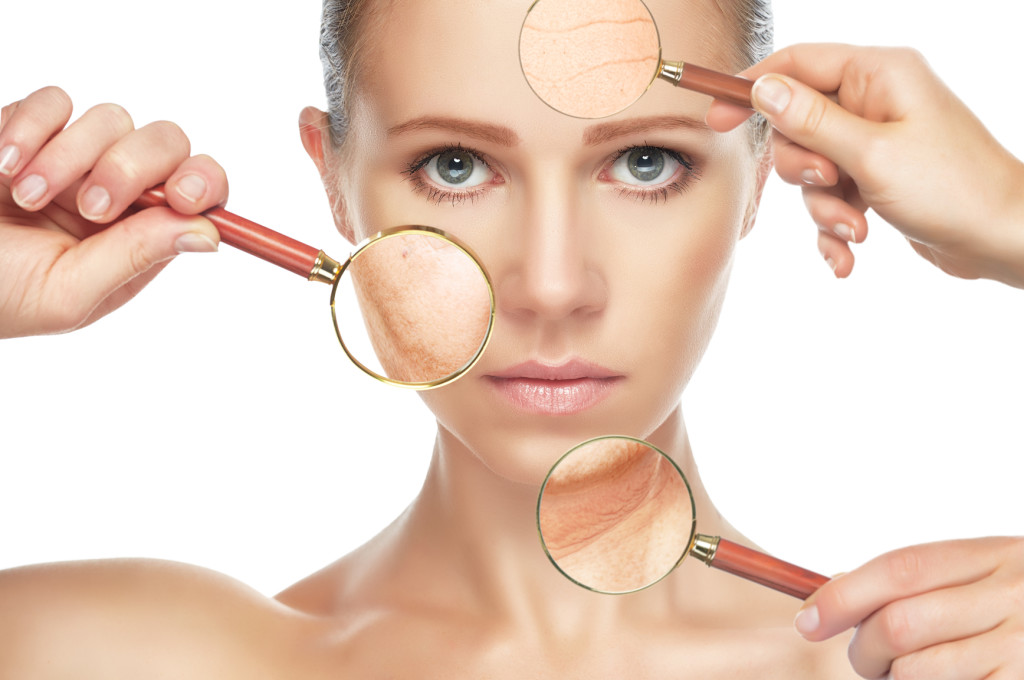
ever been confused on which makeup products best suite your skin? Well no more worries! Pick Your Own will help you choose the best makeup products for your skin type.
why?
Choosing the correct makeup for your skin is important to prevent skin issues like irritation, acne, and allergies. Matching your makeup to your skin type can improve your natural beauty and maintain the health and radiance of your skin. It’s crucial to select the right makeup to both look good and take care of your skin.
What makeup products will I be recommending to you?
I will be showing you how to use the main base products, which are considered the building blocks of makeup
- Primer
- Foundation
- Bronzer
How do I know?
there will be 5 different skin types and conditions we’ll be talking about

- Acne Prone Skin
- Eczema
- Rosacea
- Dry skin
- Oily skin
Acne Prone Skin?
Acne-prone skin looks like skin with pimples, blackheads, or whiteheads, often appearing red, bumpy, and inflamed. It may have visible pores, be oily, and prone to frequent breakouts on the face, neck, chest, and back.
Eczema?
Eczema looks like red, itchy patches on the skin that can be dry and sometimes scaly, with bumps or blisters.
Rosacea?
Rosacea looks like redness on the face, with visible blood vessels, pimples, and sometimes thickened skin.
Dry skin?
Dry skin looks flaky, rough, and cracked, and can feel tight or itchy.
Oily Skin?
Oily skin looks shiny, greasy, and often has large pores.
now that we’ve figured out your skin type, and/or condition, let’s get started with the tutorial and product recommendations
Step 1 – Primer
Primer is a product applied before foundation to create a smooth base for makeup application. It helps makeup last longer, minimizes pores, and evens out the skin’s texture.
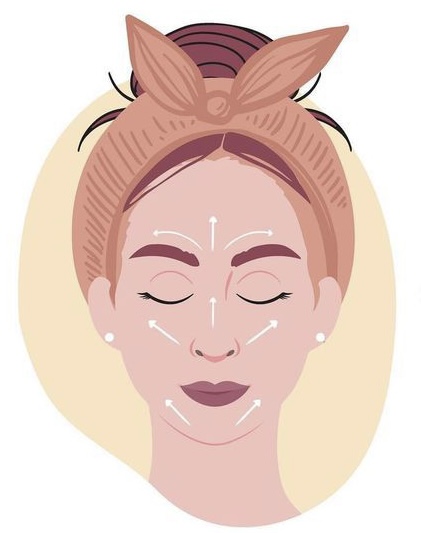
apply the primer from the center of the face, spreading it all over the skin
Primer for Acne prone skin
For acne-prone skin, choosing a primer that is oil-free and non-comedogenic to avoid clogging pores and causing breakouts is best. Look for ingredients like salicylic acid or niacinamide to help control oil and prevent acne.
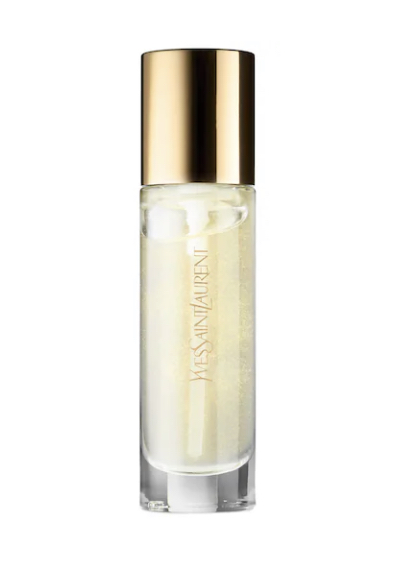
top 3 most recommended primers for acne prone skin

Primer for Eczema
For eczema-prone skin, choose a gentle, fragrance-free, and hypoallergenic primer made for sensitive skin to avoid triggering eczema flare-ups.
top 3 most recommended primers for eczema prone skin

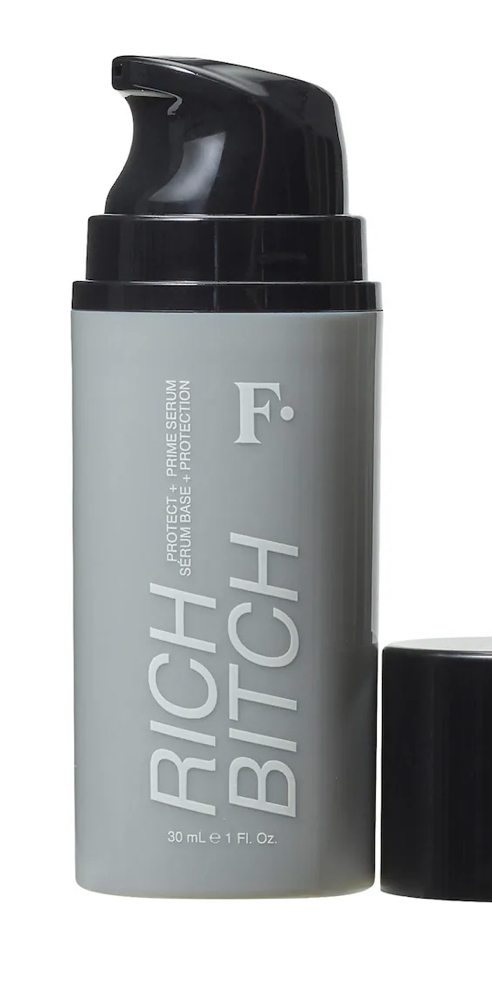

Primer for Rosacea
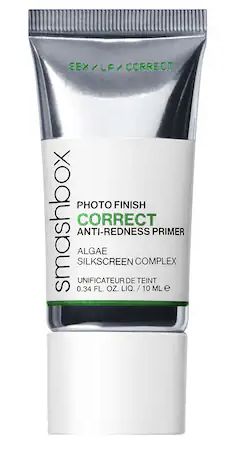
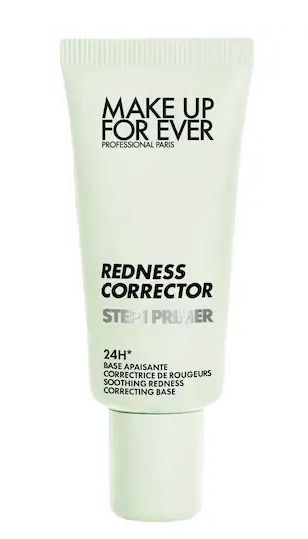
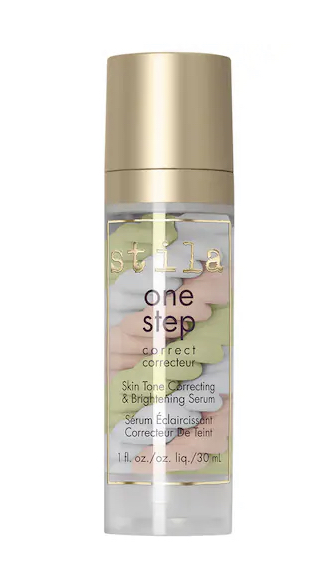
For rosacea-prone skin, we look for a gentle, fragrance-free, and soothing primer made for sensitive skin to help calm redness and irritation. Look for ingredients like chamomile or green tea.
top 3 most recommended primer for rosacea prone skin
Primer for dry skin
To combat dry skin, we use a hydrating primer with ingredients like hyaluronic acid or glycerin. It keeps your skin moisturized, creates a smooth base for makeup, and stops makeup from sticking to dry areas.
top 3 most recommended primer for dry skin
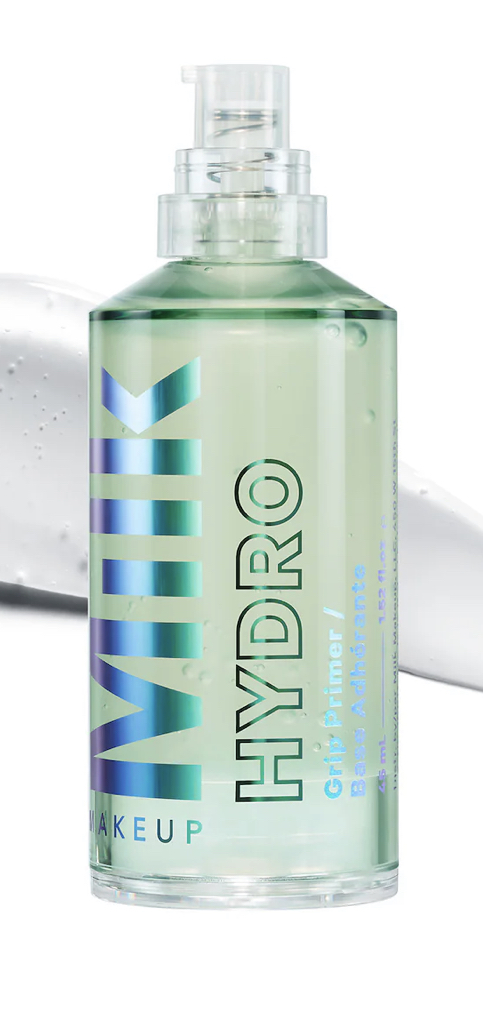
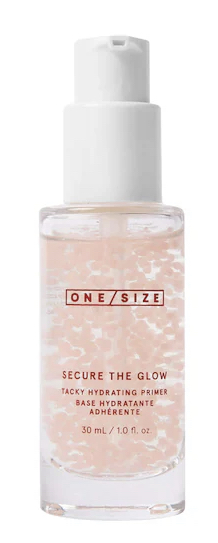
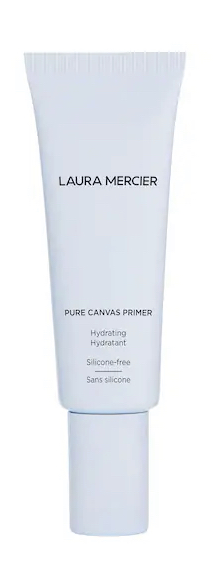
primer for oily skin
Choosing oil-free and matte primers for oily skin to control shine and make your makeup last longer. Look for primers with ingredients like salicylic acid or silica to combat excess oil and maintain a matte look all day.
top 3 most recommended primers for oily skin
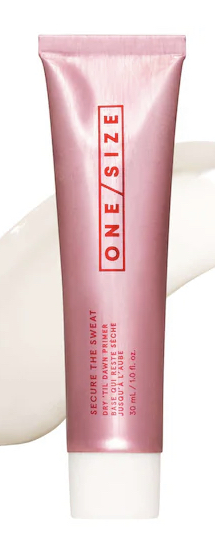
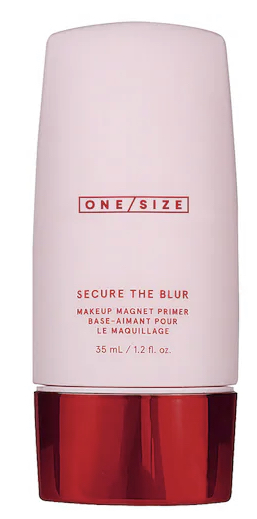
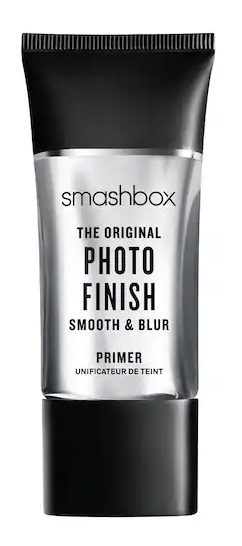
Step 2 – Foundation
Foundation is a makeup product that evens out your skin tone, covers imperfections, and creates a smooth base for other makeup.
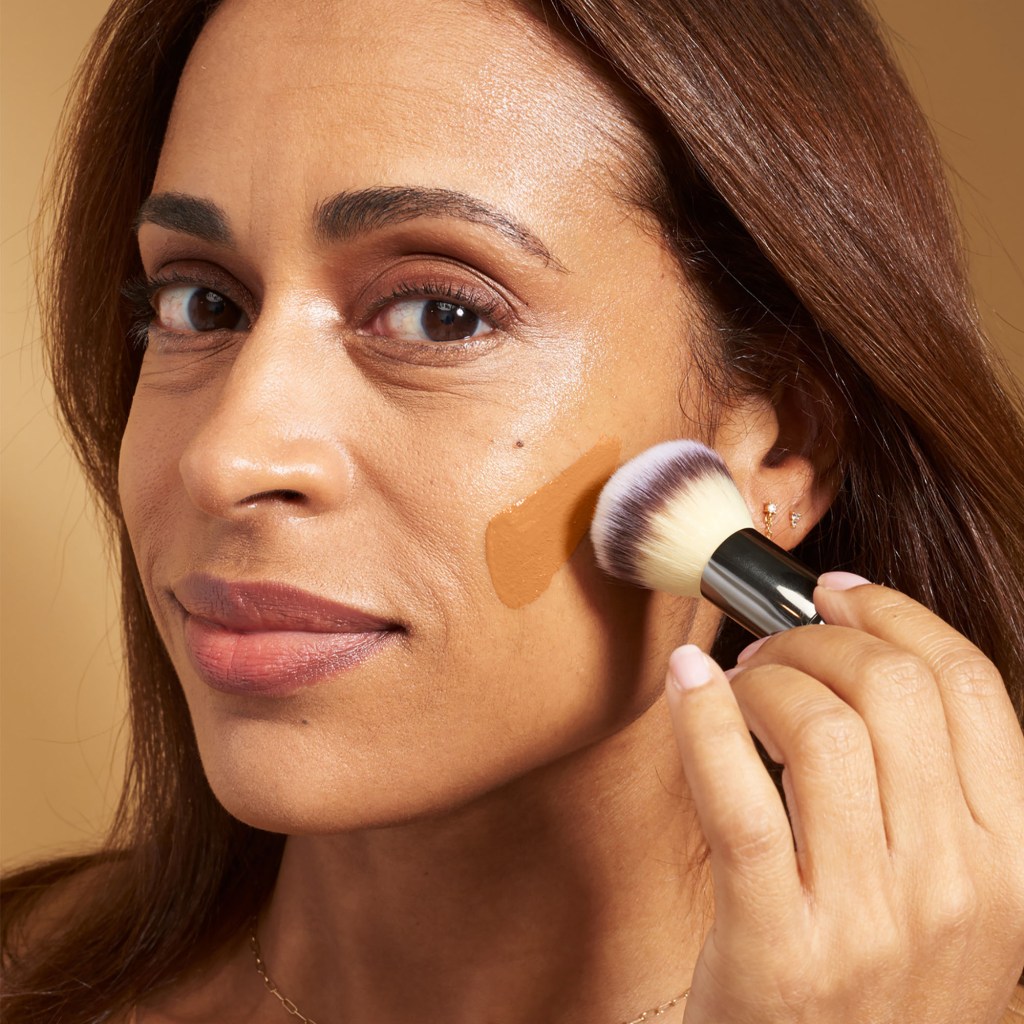
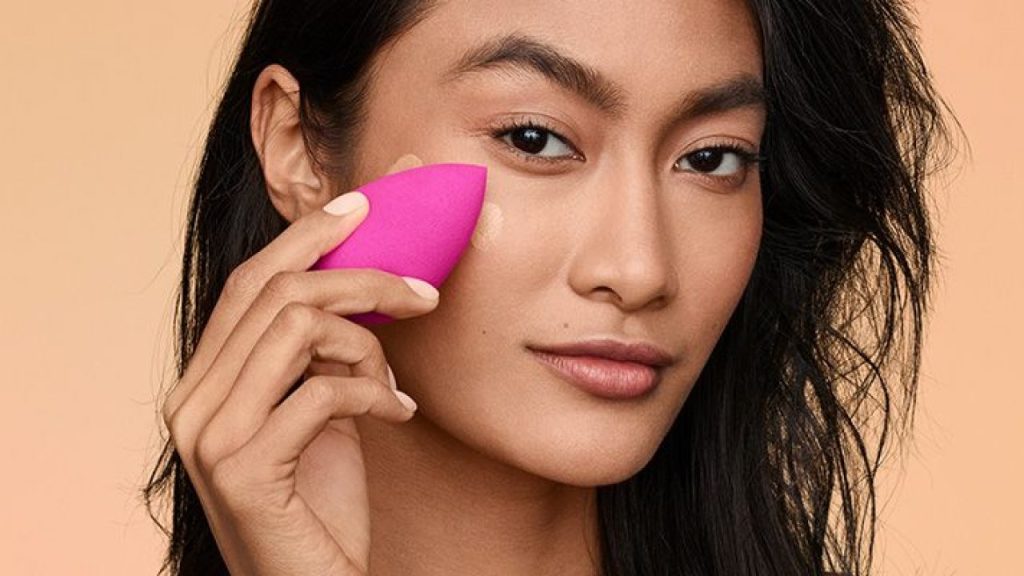
Choosing a foundation:
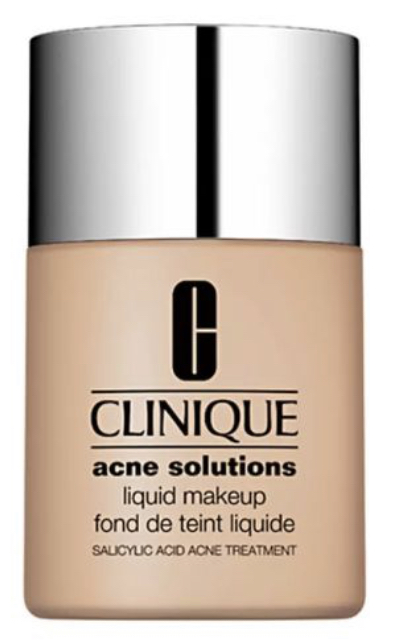
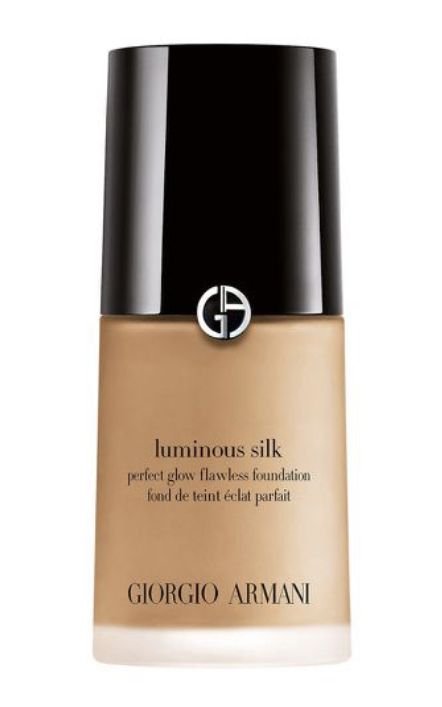
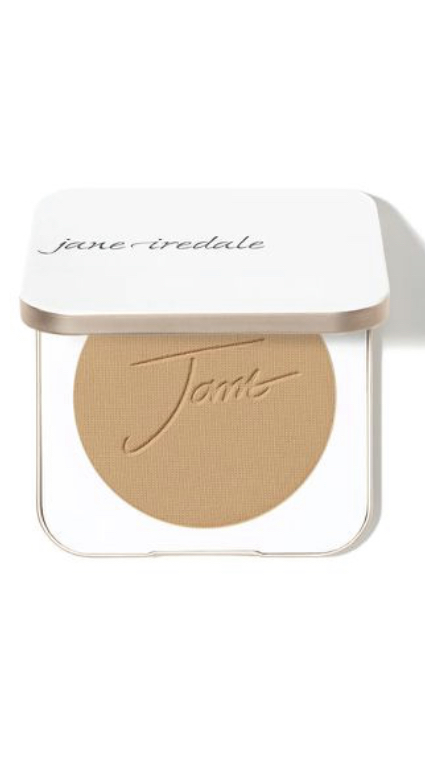
Foundation for Acne prone skin
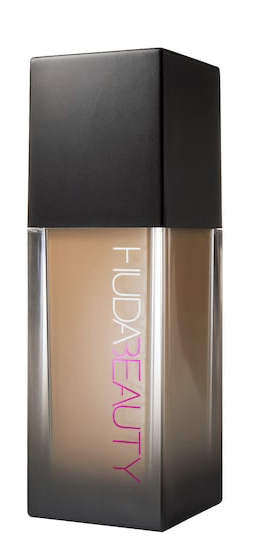
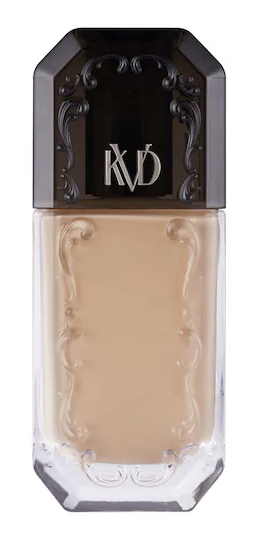
top 3 recommended foundations for acne prone skin
For acne-prone skin, we choose oil-free, non-comedogenic foundations labeled as suitable for acne-prone skin. Mineral foundations are gentle options. We Look for ingredients like salicylic acid or hyaluronic acid to treat and prevent breakouts. Remember to test the foundation on a small area first to ensure it doesn’t irritate your skin.
foundation for eczema & dry skin
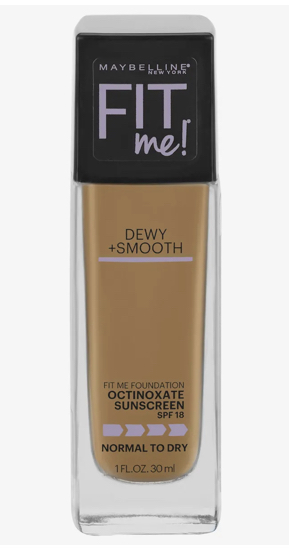
top 3 recommended foundations for eczema prone and dry skin
When it comes to makeup and base products, there isn’t a significant distinction between those suitable for eczema-prone skin and dry skin since both face similar challenges. Therefore, products recommended for eczema or dry skin can be used interchangeably. Opt for hydrating and gentle foundations that cater to dry skin needs, which can also be beneficial for individuals without eczema but with dry skin concerns.

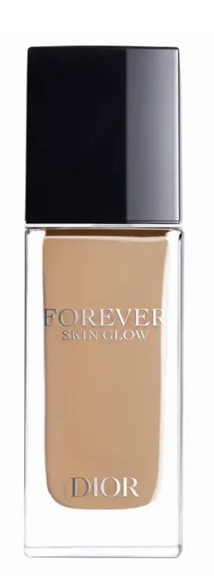
foundation for Rosacea
We Choose a gentle, non-comedogenic foundation that is fragrance-free and hypoallergenic. We Look for green or yellow undertones to neutralize redness. Mineral-based foundations are a good option too.
top 3 recommended foundations for rosacea prone skin
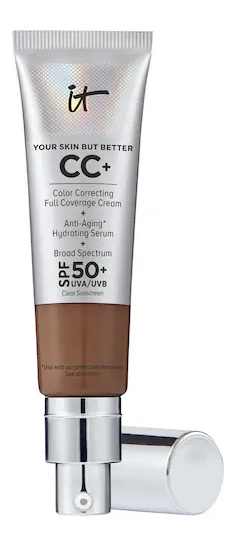
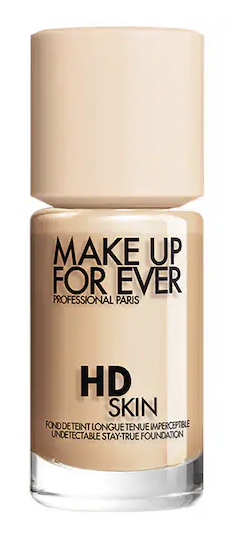
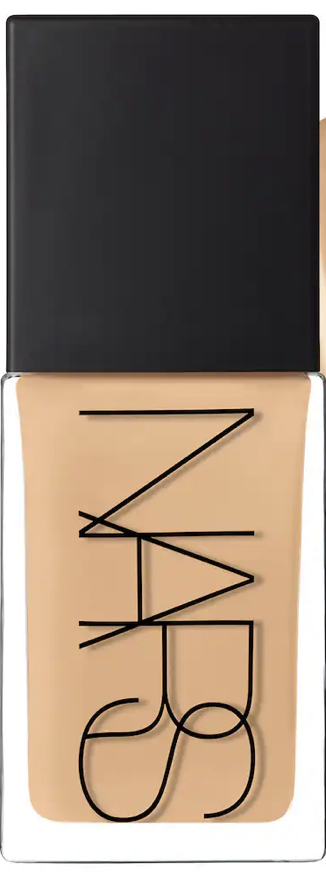
foundation for oily skin
Opt for an oil-free, matte foundation labeled as “non-comedogenic” to prevent clogged pores. Choose long-wear or oil-control formulas. Matte or powder foundations are good options for oily skin.
top 3 recommended foundations for oily skin

Step 3 – Bronzer
Bronzer is a makeup product used to give your face a sun-kissed glow by adding warmth and dimension. It’s applied to areas like the cheeks, forehead, and nose where the sun hits naturally.
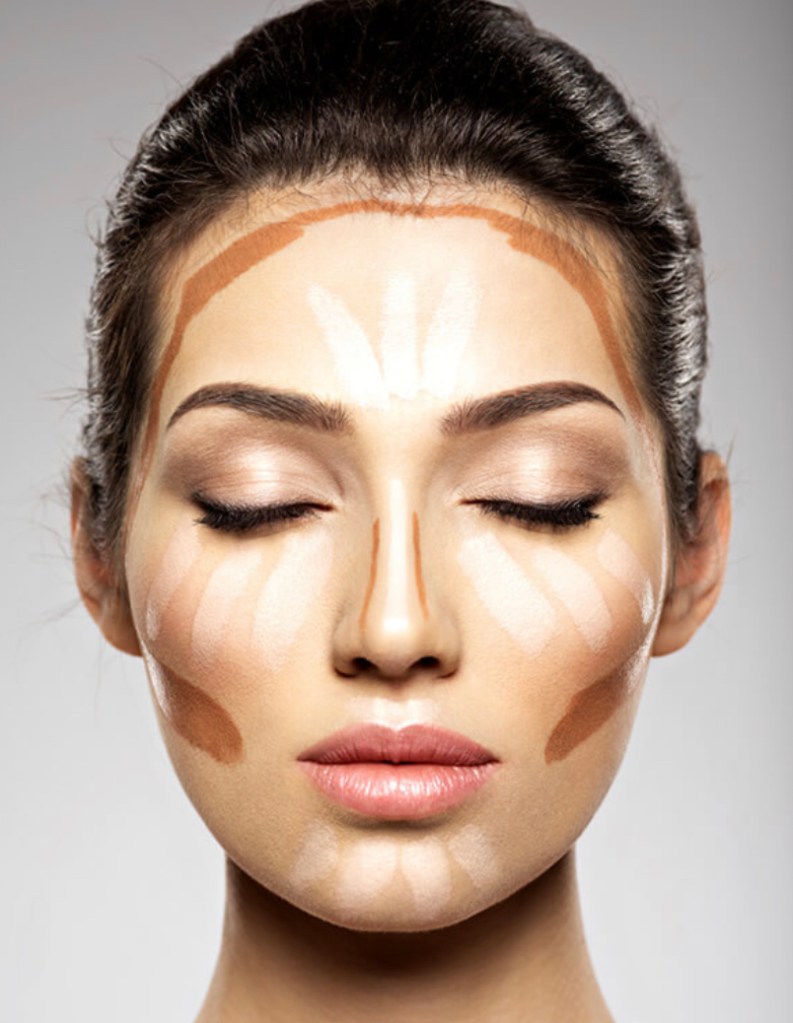
How to apply Bronzer
Bronzer is applied on the high points of the face, like the forehead, cheekbones, and jawline. The more cool toned the bronzer is the more defined your face will look. The more warm toned the bronzer is, your face will look tanner and warmer
Overall, it’s quite easy: You can use a brush, a damp beauty sponge, or your fingers. Whatever tool you select, make sure to tap the product into your skin (don’t rub)
How to pick A bronzer
Because bronzer isn’t meant for the entire face, you don’t have to worry too much about it matching your skin type precisely, but it should blend well with your skin. It’s best to consider whether you have dry or oily skin. The bronzer should not worsen any existing skin conditions, but it’s important to check the ingredients and do a patch test on a separate area of your body to ensure there are no adverse reactions.
Bronzer for Dry Skin
For dry skin, we choose cream or liquid bronzers with moisturizing ingredients like hyaluronic acid or vitamin E. Avoid matte formulas and go for luminous or satin finishes for a healthy glow. ALWAYS Test the bronzer on your skin to make sure it doesn’t make dry patches more noticeable.
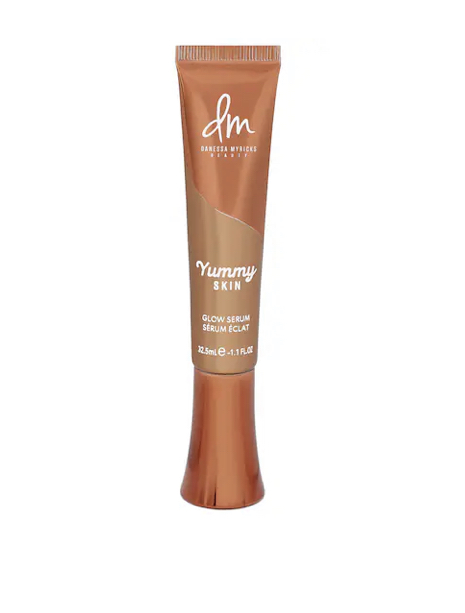
best bronzer for dry skin
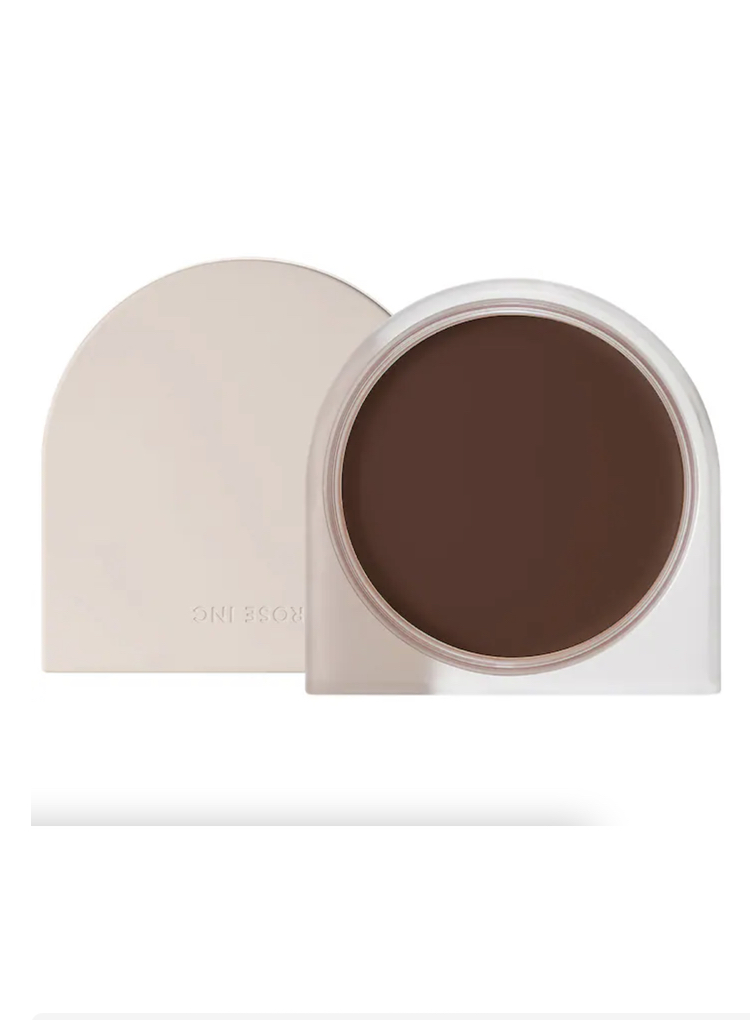
As already mentioned picking it Bronzer for your skin shouldn’t be too difficult, this bronzer has the best reviews and is loved by the dry skin community, which means it can work for both eczema and dry skin, as well as acne prone skin.
Bronzer for oily skin
When picking a bronzer for oily skin, we opt for a matte formula to avoid adding extra shine. Look for oil-free and non-comedogenic products to prevent clogged pores. Consider a powder bronzer over a cream one for better oil control throughout the day.
best bronzer for oily skin
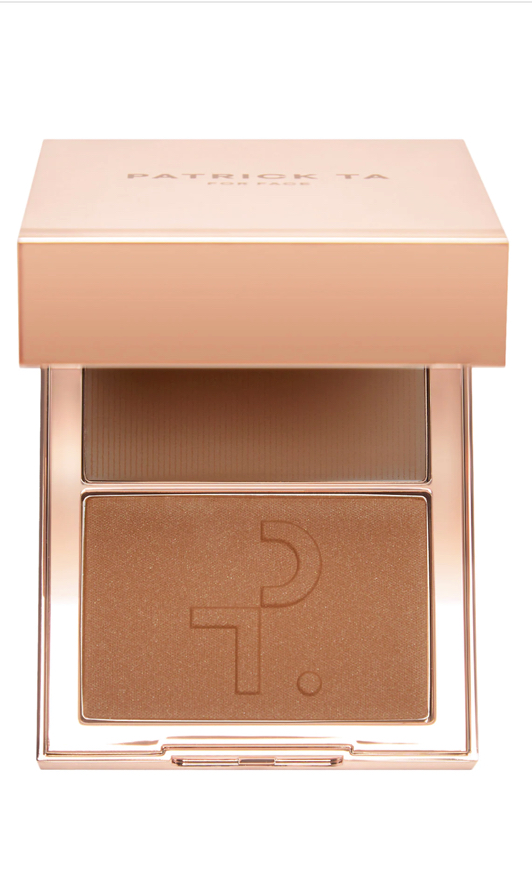
this is the best bronzer for oily skin because it has both a cream and a powder formula, and it is best to use my products when you are suffering from oily skin. This product is also acne safe. So if you suffer from acne prone skin, you can pick between these two recommendations. As for rosacea, the bronzer shouldn’t matter because it won’t directly affect any rosacea prone skin.
these three products, primer, foundation, and bronzer are the key to your make up and the base of your face. Without these three products, your make up will be incomplete. These three products are the building blocks of every make up look and they both need each other to complete the make up look.
 Pick Your own
Leave a comment